

Flexible Work Arrangements
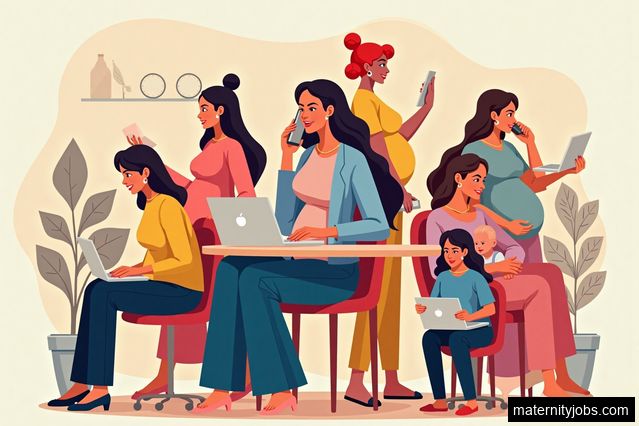
One of the key ways in which companies support working mothers is by offering flexible work arrangements. These arrangements allow mothers to manage their work schedules in a way that accommodates their family responsibilities. For example, some companies offer remote work options, allowing mothers to work from home and eliminate the need for long commutes and additional childcare costs. Others may provide flexible hours, enabling mothers to adjust their workdays to attend to their children's needs.
An excellent example of a company that prioritizes flexible work arrangements is Adobe. They offer a range of flexible options, including part-time schedules, job-sharing, and compressed workweeks. Adobe understands that working mothers may have unique circumstances and provides the necessary flexibility to ensure their success in both their personal and professional lives.
For instance, Jane is a working mother employed at Adobe. She has a young child and prefers to work remotely to be available for her child's needs. With Adobe's remote work option, Jane can create a work-life balance that suits her and her family. She no longer has to rush through her morning routine, commute in traffic, or worry about finding suitable childcare. Instead, she can work from the comfort of her home, ensuring she is present for her child's important moments while still fulfilling her professional responsibilities.
Remote Work:
Remote work has gained significant popularity in recent years, and many companies are embracing this trend to support working mothers. By allowing employees to work remotely, companies eliminate the need for commuting and provide mothers with the ability to be present for their children's important moments. Companies like Automattic, the parent company of WordPress, have fully embraced remote work as their business model. Automattic employs a distributed workforce, meaning employees can work from anywhere in the world. This flexibility allows working mothers to create a work-life balance that suits their needs.
Another example is American Express, which has implemented a flexible workplace strategy that includes remote work options. They have a program called "Working Solutions," which hires virtual customer care professionals to work from home. This program provides working mothers with the opportunity to have a fulfilling career while being available for their families.
Take the example of Sarah, a working mother employed by American Express. Sarah is a customer care professional who works from home through the "Working Solutions" program. This arrangement allows her to be present for her children's daily activities and eliminates the need for additional childcare. Sarah can handle customer inquiries and provide excellent service while simultaneously being available for her children's needs.
Childcare Support
Childcare is a significant concern for working mothers, and innovative companies recognize the importance of providing support in this area. Some companies offer on-site childcare facilities, enabling mothers to have their children nearby while they work. For instance, Google has on-site daycare centers at their headquarters, providing working mothers with peace of mind knowing their children are in a safe and nurturing environment.
Other companies, like Microsoft, provide subsidies or reimbursements for childcare expenses. Microsoft offers a Dependent Care Flexible Spending Account (DCFSA), which allows employees to set aside pre-tax dollars to cover eligible childcare expenses. This benefit helps working mothers manage the financial burden of childcare while pursuing their careers.
Consider the case of Emily, a working mother employed at Google. Emily has a young child and works at the Google headquarters, which has on-site daycare facilities. This arrangement allows Emily to drop off her child at the daycare center before starting her workday. She can then visit her child during breaks or lunchtime, fostering a closer bond and ensuring her child's wellbeing. Having on-site childcare facilities at Google gives Emily peace of mind, knowing that her child is nearby and receiving quality care while she focuses on her job responsibilities.
Parental Leave:
In addition to childcare support, parental leave policies are crucial for working mothers. Forward-thinking companies understand the importance of allowing mothers to bond with their newborns and adjust to their new roles as parents. Netflix is a prime example of a company that offers generous parental leave policies. They provide up to one year of paid parental leave for both mothers and fathers. This extended leave allows mothers to prioritize their families during the critical early stages of their child's life.
Another company that prioritizes parental leave is Patagonia. They offer up to 16 weeks of fully paid leave for new mothers and an additional 12 weeks of unpaid leave if needed. Patagonia understands that the transition to motherhood requires time and support, and they are committed to providing that for their employees.
For example, Lisa, a working mother at Netflix, recently had a baby. Thanks to Netflix's generous parental leave policy, Lisa was able to take a full year off work to spend time with her newborn. This time allowed her to bond with her child, establish a routine, and ensure a smooth transition into motherhood. Netflix's support during this crucial period enabled Lisa to return to work with renewed energy and focus, knowing her company values her role as a mother as well as an employee.
Employee Resource Groups
Employee resource groups (ERGs) are another way in which companies support working mothers. ERGs are typically employee-led groups that provide a supportive community for individuals with shared backgrounds or interests. Many companies have established ERGs specifically for working mothers, creating a space for them to network, share experiences, and receive support from their peers.
Salesforce, a global leader in customer relationship management, has an ERG called "Ohana" dedicated to supporting working parents. Ohana offers mentorship programs, networking events, and forums for working mothers to connect and learn from each other. This community not only provides emotional support but also valuable resources and guidance for navigating the challenges of balancing work and family life.
Imagine Michelle, a working mother employed at Salesforce. Michelle is a member of the "Ohana" ERG, where she connects with other working mothers. Through mentorship programs and networking events, Michelle has gained valuable insights and skills to navigate her career while balancing her family responsibilities. The "Ohana" community has provided her with a strong support system, empowering her to thrive both personally and professionally.
Leadership Development:
Innovative companies recognize the importance of developing and promoting working mothers into leadership positions. They understand that representation matters and that having women in leadership roles can inspire and empower other working mothers. Companies like IBM have implemented leadership development programs specifically for women, including working mothers. These programs provide mentorship, coaching, and networking opportunities to help working mothers advance their careers.
Another company that prioritizes leadership development for working mothers is Johnson & Johnson. They have a Women's Leadership Initiative that focuses on increasing the representation of women in leadership roles. The initiative provides training, mentorship, and networking opportunities to help working mothers excel in their careers and assume leadership positions within the company.
For example, Sarah, a working mother at IBM, has been part of their leadership development program. Through this program, Sarah has received mentorship from senior leaders, coaching sessions to enhance her skills, and networking opportunities to connect with other working mothers in the company. The program has empowered Sarah to take on leadership roles and make a significant impact in her career while balancing her family responsibilities.